

Nardu Doe-Lawson
Adinkra are traditional symbols originating from the Akan people of Ghana. They serve as a visual language, expressing ideas about life, community, identity and the human experience, with meanings passed down through generations.
Traditionally, Adinkra symbols were stamped onto textiles worn during significant cultural and ceremonial occasions, using hand-carved stamps. Today, they continue to be used in clothing, architecture, jewellery, artwork and other forms of visual expression, carrying cultural values and stories into contemporary life.
I've selected ten to share here, and invite you to explore the values and cultural significance behind each one.
Stole Memory
Dweninmen
Humility · Strength
(djwin-knee-mann)

-
Inspired by the horns of a ram, Dweninmen represents the balance between strength and humility. Although a ram possesses powerful horns that it can use to defend itself, strength is not always demonstrated through force. The symbol reminds us that true strength also comes from patience, self-control and knowing when to exercise restraint. It encourages us to approach life's challenges with confidence while remaining humble in our abilities and considerate of others.
DameDame
Craftiness · Intelligence · Strategy · Strength
(dam-ee-dam-ee)

-
Dame Dame takes its name from a traditional board game that requires players to think strategically and anticipate their opponent's moves. Much like the game, life presents situations where careful planning and thoughtful decisions can make all the difference. The symbol celebrates intelligence, resourcefulness and the ability to consider different possibilities before taking action. It reminds us that success is not always about acting first, but knowing how and when to act.
Bi Nka Bi
Peace · Harmony
(bee- in-ka- bee)

-
Bi Nka Bi translates to "No one should bite another." It represents the importance of treating others fairly and avoiding actions that cause unnecessary harm. The symbol encourages mutual respect, reminding us that the way we treat others contributes to the kind of community we create. Whether resolving disagreements or navigating everyday relationships, Bi Nka Bi promotes understanding, fairness and peaceful coexistence.
Duafe
Beauty, Hygiene, Feminine qualities
(doo-ah-phe)

-
Duafe takes its form from a traditional wooden comb used for grooming and hair care. Beyond physical beauty, the symbol celebrates qualities associated with femininity, including care, patience, kindness and compassion. It invites us to recognise beauty not only in appearance but also in the way we treat and care for others. Duafe reflects an understanding of beauty that encompasses both outward presentation and inner character.
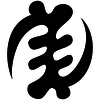
Gye Nyame
Supremacy of God
(jeh N-yah-mee)
-
Gye Nyame expresses the belief in God's supreme power and presence. Rooted in Akan spirituality, the symbol acknowledges God as the ultimate authority and source of creation. It represents faith, reverence and the recognition that there is a power greater than humanity. For many, Gye Nyame serves as a reminder to approach life with confidence, guided by faith and trust in the divine.

Nkyinkyin
Resilience, initiative
(n-chin-chin)
-
Nkyinkyin reflects the winding and unpredictable nature of life's journey. Just as a path may change direction, we often encounter circumstances that require us to adjust our plans or approach situations differently. The symbol celebrates resilience and the willingness to embrace change rather than resist it. It reminds us that setbacks do not necessarily mean failure and that sometimes finding a new way forward is what allows us to grow.
Denkyem
Adaptability, Prudence
(den-chem)

-
Proverb: “Ɔdenkyem da nsuo mu nsoƆ home mframma.’ (The crocodile lives in water yet it breathes air not water. )
Ɔdenkyem takes its inspiration from the crocodile, an animal capable of living both in water and on land. Its ability to navigate these different environments represents adaptability and the wisdom to respond appropriately to changing circumstances. The symbol encourages us to be flexible without losing sight of our goals. Like the crocodile, we can learn to navigate unfamiliar situations by recognising what each environment requires and adjusting our actions accordingly.
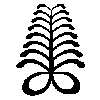
Aya
Endurance, Resourcefulness
(ah-yah)
-
Aya represents the fern, a plant known for its ability to grow and survive in challenging environments. It symbolises endurance, independence and the determination to persevere despite adversity. Just as the fern continues to flourish under difficult conditions, Aya encourages us to remain resourceful and steadfast when facing obstacles. It also represents the courage to stand firm in our convictions and maintain our independence.
Mate Masie
Wisdom, Knowledge, Prudence
(mah-tee mah-see-uh)

-
Saying: “Nyansa bon mu ne mate masie.” (I have heard and kept it.)
Mate Masie highlights the importance of listening, learning and putting knowledge into practice. Its meaning extends beyond simply hearing what someone has to say; it encourages us to reflect on what we learn and carry those lessons forward. The symbol reminds us that wisdom develops through openness to advice, experience and the perspectives of others. It celebrates the value of thoughtful listening and the responsibility that comes with knowledge.
Ananse Ntontan
Wisdom, Creativity, Craftiness
(ah-nan-see n-to-n-tan)

-
Ananse Ntontan takes its inspiration from the spider's web and is associated with Ananse, a well-known figure in Akan storytelling. Despite its small size, a spider can create an intricate web using the resources available to it. The symbol celebrates creativity, ingenuity and the ability to find solutions through intelligence rather than physical strength. It reminds us that even with limited resources, imagination and resourcefulness can lead to remarkable achievements.
Description of symbol is informed by The Adinkra Dictionary by W. Bruce Willis. Illustration sourced from the Kasahorow Adinkra Library.